
SALEH AMMAR
Filmmaker & Cinematographer
The Dream of Filmmaking on a Shoestring
Making a film is a complex endeavor that often requires substantial resources. However, the dream of storytelling through film is accessible to everyone, even with limited means. This guide offers a detailed roadmap for aspiring filmmakers who want to turn their vision into reality without breaking the bank.
Pre-Production: Laying the Groundwork
1. Ideation and Scriptwriting:
-
Finding Your Story: Your film’s foundation lies in a compelling narrative. Whether it’s a personal story, a fictional world, or a documentary exploration, ensure it resonates with you.
-
Character Development: Create characters that are relatable, complex, and drive the story forward. Their motivations, conflicts, and arcs are crucial for audience engagement.
-
Structure and Pacing: A well-structured screenplay is essential. Consider using storyboarding to visualize scenes and sequences.
-
Dialogue: Authentic dialogue is key to character development and plot progression. Avoid clichés and ensure it aligns with the characters’ personalities.
2. Budgeting and Planning:
-
Financial Reality Check: Determine a realistic budget based on available resources. Prioritize essential equipment and crew.
-
Location Scouting: Research potential locations that match your story’s aesthetic and are accessible within your budget. Consider natural lighting and sound implications.
-
Crew Assembly: Build a core team of passionate individuals who share your vision. Leverage your network for potential crew members.
-
Equipment Rental: Explore equipment rental options to access professional gear without breaking the bank. Research local rental houses or consider peer-to-peer rental platforms.
-
Legal Considerations: Understand copyright laws, talent releases, and location permits. While these might seem daunting, it’s essential to protect your work.
3. Visualizing Your Film:
-
Mood Boards: Create visual references to establish the film’s tone, color palette, and overall aesthetic.
-
Shot Lists: Develop a detailed shot list outlining camera angles, movements, and desired shots for each scene.
-
Camera: A DSLR or mirrorless camera with manual controls offers flexibility and image quality. Explore options like Canon, Nikon, or Sony.
-
Lenses: A versatile zoom lens is useful, but prime lenses can provide cinematic depth of field.
-
Audio: Invest in a good-quality shotgun microphone for capturing clear dialogue and sound effects.
-
Lighting: Natural light is often sufficient, but consider affordable LED lights for specific scenes.
-
Core Team: Assemble a small but dedicated crew consisting of a director, producer, cinematographer, sound engineer, and editor.
-
Volunteer Talent: Leverage friends, family, or acquaintances who share your passion for filmmaking.
-
Actor Preparation: Work with actors to develop their characters and understand their motivations.
-
On-Set Leadership: Create a positive and collaborative atmosphere on set. Provide clear and concise direction to actors and crew.
-
Audio Quality: Prioritize clear dialogue and ambient sound. Use a boom operator or wireless microphone if possible.
-
Sync Issues: Use a clapperboard or slate to synchronize audio and video.
-
Options: Explore free or affordable editing software like DaVinci Resolve, Adobe Premiere Pro, or Final Cut Pro.
-
Learning Curve: Invest time in learning the software’s capabilities to maximize efficiency.
-
Rough Cut: Create a preliminary version of the film to establish the narrative flow.
-
Pacing: Experiment with different shot lengths and transitions to create a dynamic rhythm.
-
Basic Effects: Use software like Adobe After Effects for simple visual effects.
-
Licensing: Obtain licenses for any copyrighted music used in your film.
-
Original Score: Consider composing original music to enhance the emotional impact.
-
Film Festivals: Research film festivals that align with your film’s genre and target audience.
-
Online Platforms: Utilize platforms like Vimeo, YouTube, or streaming services to reach a wider audience.
-
Feedback and Learning: Seek feedback from viewers to improve your filmmaking skills for future projects.
Storyboarding: Visually represent key scenes to communicate your vision to the crew and refine the storytelling.
Production: Bringing the Script to Life
1. Essential Equipment:
Tripod and Stabilizer: Essential for steady shots and smooth camera movement.
2. Building Your Crew:
Clear Roles and Responsibilities: Ensure everyone understands their role and how it contributes to the overall vision.
3. Directing and Acting:
Shot Composition: Pay attention to framing, camera angles, and movement to enhance storytelling.
4. Capturing Sound:
Location Sound: Be mindful of background noise and potential distractions.
Post-Production: Crafting the Final Product
1. Editing Software:
Organization: Import footage into a well-structured project to streamline the editing process.
2. Assembling the Story:
Sound Design: Enhance the storytelling with sound effects, music, and dialogue editing.
3. Visual Effects and Color Correction:
Color Grading: Create a consistent look and feel for your film by adjusting color tones and contrast.
4. Music and Sound:
Sound Mixing: Balance dialogue, sound effects, and music for optimal audio quality.
Distribution and Beyond
Additional Tips:
-
Network with other filmmakers to build a support system.
-
Attend filmmaking workshops and screenings to gain knowledge and inspiration.
-
Utilize online resources and tutorials for skill development.
-
Embrace experimentation and don’t be afraid to take risks.

Conclusion
Making a film on a limited budget is a challenging yet rewarding journey. By combining creativity, resourcefulness, and collaboration, you can bring your vision to life. Remember, every film is a learning experience, so embrace the process and enjoy the storytelling.

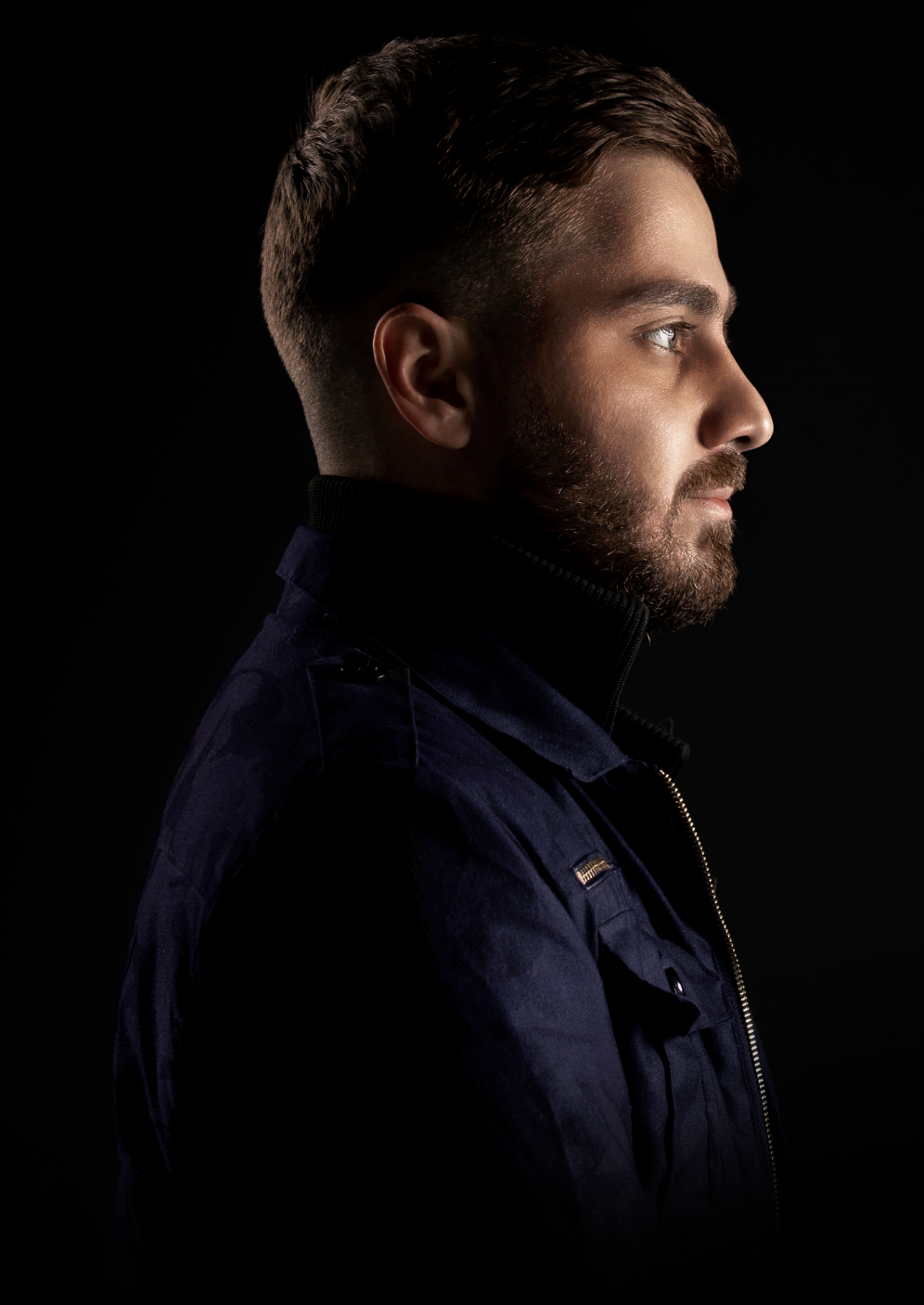
As Director of Photography and Photographer based in Dubai , I have been in the industry for over 13 years in various roles. Day to day, I work on a number of different productions: documentaries, TV commercials, corporate videos, narrative shorts, tv programs…etc.
incorporated my background in film theory with my field experience as a DOP. I strive to create beautiful imagery that represents a perspective and is distinct. I am here to help formulate your visual language through the means of cinematography using composition, movement, light and shadows, colors, shapes , and dimensions. I believe every film deserves its own unique visual language.
I worked with all types of Cameras and film production equipment and I’m licensed underwater cinematographer with TDI technical diving license
About me